In short
- Meal prep is self-care: it keeps your energy steady while you heal.
- Try micro-prep: prep ingredients, cook once and eat twice.
- Choose one-handed foods, use shortcuts, and say yes to help.
Meal prep as self-care
The early weeks and months with a new baby are a joyful, overwhelming blur. Between night feeds, diaper changes and learning your baby’s cues, a proper sit-down meal can feel like a luxury.
Meal prep isn’t a strict diet chore. Think of it as self-care, and your secret weapon for getting through the day. Here’s why it helps, and how to make it work without the pressure.
Why it helps
- Steady energy for recovery: your body needs enough food, protein and fluids while you heal. Having food ready helps you avoid skipped meals and energy crashes.
- Fuel for breastfeeding: if you’re breastfeeding, the CDC says you need about 330 to 400 extra calories a day. Easy, ready-to-eat food helps you keep up with your appetite.
- One less decision: sleep loss makes every choice harder. Knowing what’s for lunch frees up mental energy.
- Less spending and less waste: a stocked fridge means fewer last-minute takeout orders and less produce going bad.
Skip the pressure: try micro-prep
Meal prep doesn’t have to mean six hours on a Sunday filling 20 identical containers. With a newborn, small steps work better.
- Prep ingredients, not full meals: roast a sheet pan of sweet potatoes and vegetables, cook a pot of quinoa, and shred a store-bought rotisserie chicken. Store them separately, then mix and match into bowls, wraps or salads in a couple of minutes.
- Cook once, eat twice: when you make soup, a casserole or chili, double it and freeze half in single portions.
- Use small windows: chop vegetables while the kettle boils, or roll a batch of energy bites while your baby naps.
Foods worth making ahead
Choose foods that keep well, need little reheating and are full of nutrients.
- Overnight oats and energy bites: an easy, filling base. Make a few jars of overnight oats, or roll oat and peanut butter bites for a one-handed snack.
- Sheet-pan dinners: chicken, salmon, sweet potatoes and green beans can roast together on parchment for easy cleanup.
- Jar and grain salads: layer the dressing at the bottom, then sturdy ingredients like chickpeas, cucumber, quinoa and chicken, with greens on top. They keep crisp for up to 4 days.
- Soups and stews: broth soups, lentil chili and sweet potato coconut stew freeze well and are easy to reheat.
Smart strategies
- Go one-handed: babies often want to be held at mealtimes. Pick foods you can eat with one hand or a single spoon or fork, like wraps, bites, bowls and smoothies.
- Use shortcuts: frozen steam-in-bag vegetables, microwave rice pouches, canned beans and prewashed greens all save time.
- Accept help: when someone asks “How can I help?”, ask for a homemade soup or a batch of muffins.
- Keep it food-safe: refrigerate cooked food and rotisserie chicken within 2 hours, eat leftovers within 3 to 4 days or freeze them, and reheat until steaming hot (165°F).
One batch at a time
Saying yes to meal prep isn’t about a picture-perfect fridge. It’s about feeding yourself well, so you have the energy to care for your baby. Take it one batch, one jar and one meal at a time.
Foods in this article
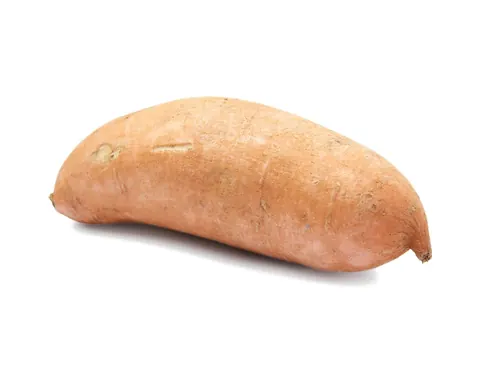 Sweet potato
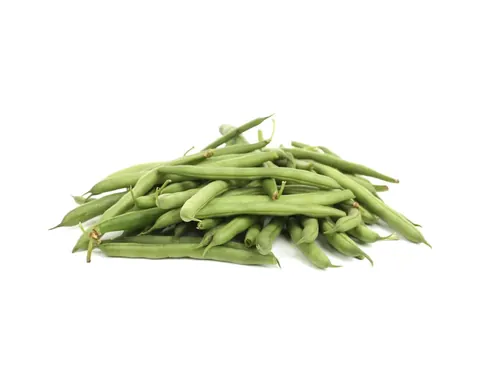 Green beans
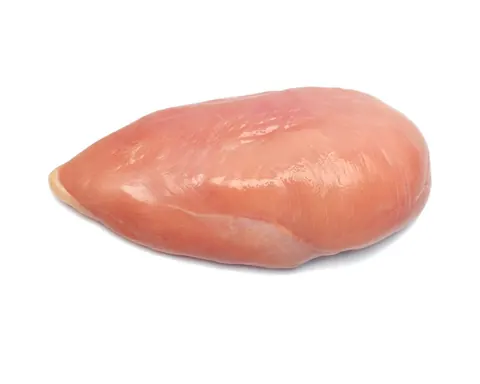 Chicken
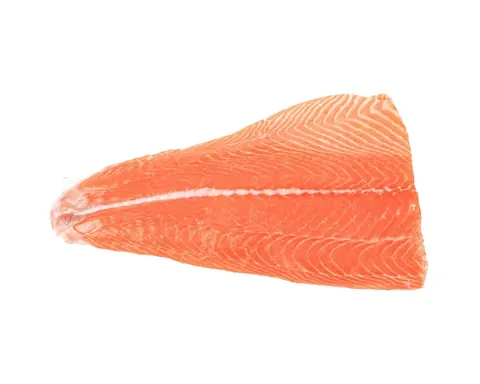 Salmon
How to serve each one at every age is in the app's food guide.
Sources
- Maternal Diet and Breastfeeding · CDC
- Leftovers and Food Safety · USDA Food Safety and Inspection Service
All articles, recipes, guides, tips and chat answers in Mama & Baby Bites are for general information and education only. They are not medical, pediatric or nutritional advice, and they don't replace care from a qualified professional. In an emergency, call 911.