In short
- Freezer cubes give right-sized portions, less waste and more variety.
- Cook without salt, sugar or seasoning, and freeze within 2 hours.
- Use within 3 months, thaw in the fridge, and never refreeze.
Homemade food, without the burnout
Lots of parents love the idea of homemade baby food. What gets in the way is exhaustion: steaming, peeling and pureeing a single serving every day wears you out fast.
The freezer cube approach, popularized by food scientist Dr. Lisa Barrangou in The Amazing Make-Ahead Baby Food Book, treats each puree as a building block. One afternoon of cooking can save time and money and give your baby lots of variety.
Why freezer cubes work
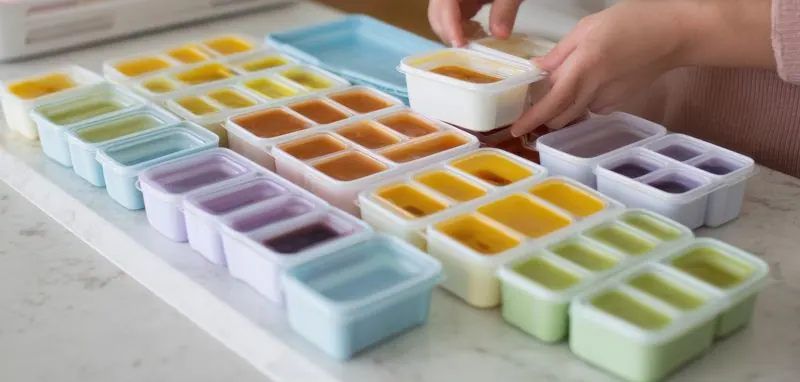
When babies start solids at around 6 months, they eat very little, often just a spoonful or two. A whole batch of sweet potato puree can mean a mountain of leftovers. Ice-cube trays, or baby food freezer trays with lids, solve that:
- Right-sized portions: a standard cube is about 1 oz, which matches a beginner eater's portion.
- Less waste: you only thaw what your baby needs for that meal.
- More variety: freeze single-ingredient cubes, like peas, carrots, chicken or apple, then mix and match them on the day.
The 3-hour plan
Set your kitchen up like an assembly line:
- Hour 1, prep: wash, peel and chop a mix of vegetables, fruits and proteins. Remove seeds, pits, skin, fat and bones. Group them on baking sheets or in steamer baskets so they cook at the same time.
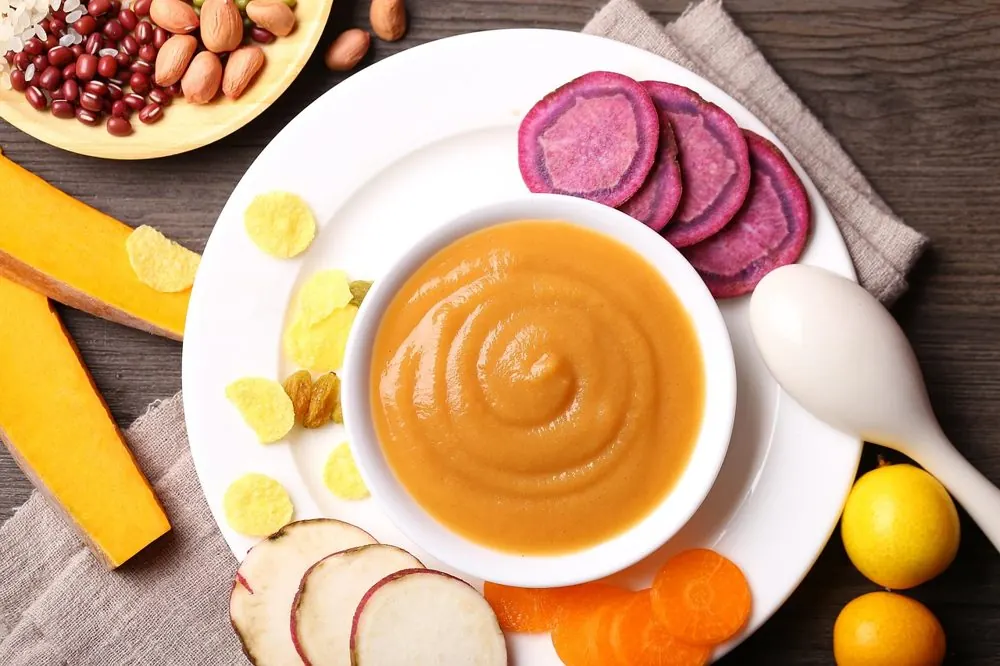
- Hour 2, cook and puree: steam or roast until fork-tender, with no added salt, sugar or seasoning. Puree until smooth, thinning with a little cooking water, breast milk or formula. Cool the purees and get them into the freezer within 2 hours.
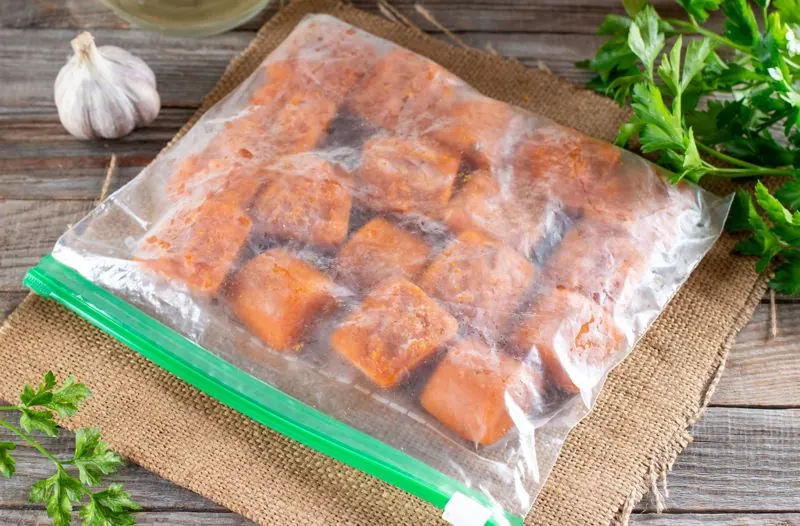
- Hour 3, freeze and pop: spoon the purees into trays, cover, and freeze. Once solid, usually overnight, pop out the cubes and store them in airtight freezer bags or containers labeled with the food and the date.
Keep it plain
Leave out added sugar entirely; babies don't need any, and US guidance is no added sugars before age 2. Keep sodium very low too: no salt, and skip salty broth, bouillon and seasoning blends. Vegetables and fruit bring plenty of flavor on their own, and plain cubes can go into family meals before the grown-ups season theirs.
Mix and match
Once your baby has tried each food on its own without a reaction, you can start combining cubes. New flavor combinations help your baby get used to lots of different tastes.
- Sweet and earthy: 1 cube sweet potato + 1 cube green peas
- Protein-packed: 1 cube chicken or lentils + 1 cube carrots + a little squash
- Breakfast bowl: 1 cube iron-fortified baby oatmeal + 1 cube baked apple or pear
Freezer safety
- Use frozen homemade purees within 3 months.
- Thaw cubes in the refrigerator, never on the counter, and use them within 1 to 2 days.
- To warm, put the food in a bowl and heat gently, for example by setting the bowl in hot water or warming it on the stovetop. Warm meat and egg purees on the stovetop.
- If you use a microwave, move the food to a microwave-safe dish (not the plastic storage bag or container), stir well, let it stand for 30 seconds, and test the temperature before serving. Microwaves heat unevenly and can leave hot spots that burn your baby's mouth.
- Serve from a bowl, not straight from the storage container. Throw away food your baby's spoon has touched.
- Don't refreeze food that has been thawed.
Foods in this article
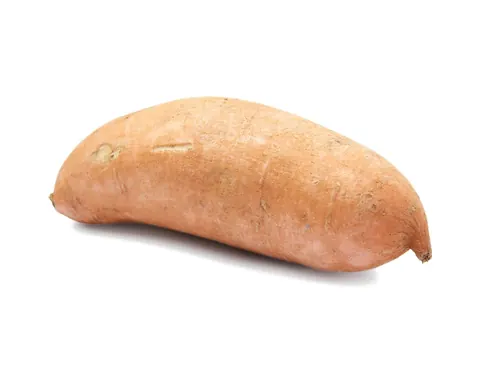 Sweet potato
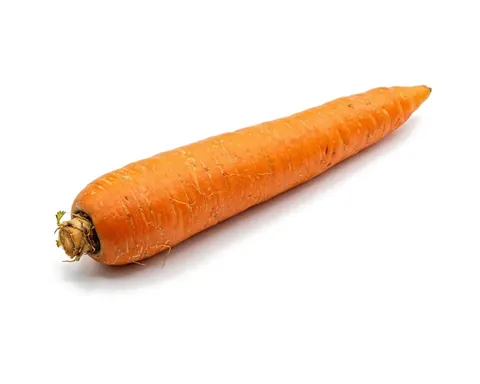 Carrot
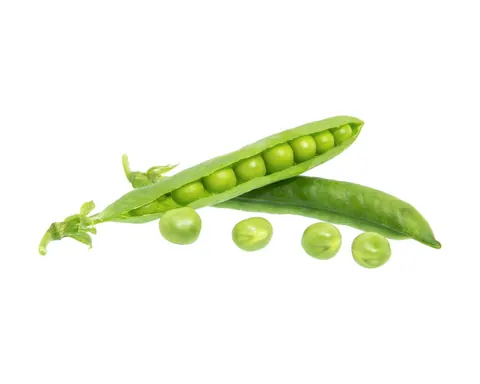 Peas
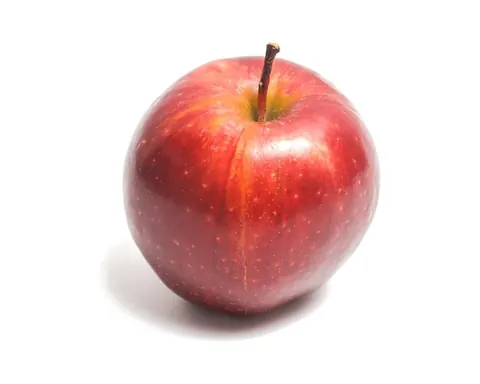 Apple
How to serve each one at every age is in the app's food guide.
Sources
- Once Baby Arrives: Food Safety for Moms-to-Be · FDA
- When, What, and How to Introduce Solid Foods · CDC
- When Can Babies Start Solid Foods? · AAP (HealthyChildren.org)
- Leftovers and Food Safety · USDA Food Safety and Inspection Service
- Iron · CDC
- Foods and Drinks to Avoid or Limit · CDC
All articles, recipes, guides, tips and chat answers in Mama & Baby Bites are for general information and education only. They are not medical, pediatric or nutritional advice, and they don't replace care from a qualified professional. In an emergency, call 911.