In short
- Textures move from smooth purees to mashed, then soft finger foods, then chopped family foods.
- 9 to 12 months: small soft pieces about the size of a chickpea.
- Many parents use the squish test: it squashes easily between your thumb and finger.
Four texture stages
Chewing and swallowing skills grow quickly between 6 and 12 months. Move through these stages at your baby's pace:
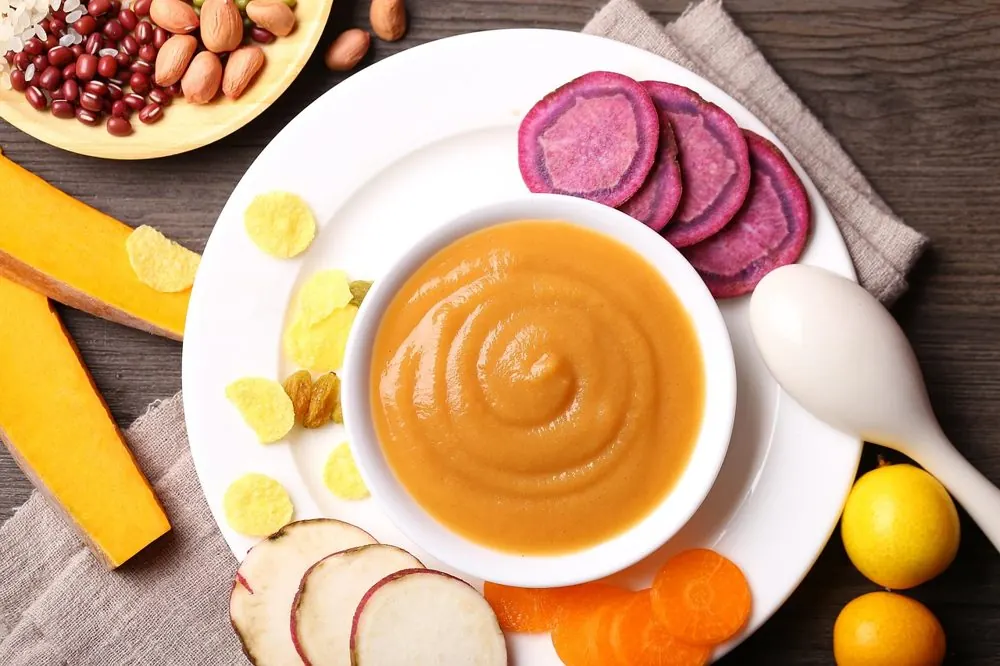
- Smooth purees, around 6 months: thin, completely smooth single foods, like pureed meat, iron-fortified infant cereal or blended vegetables.
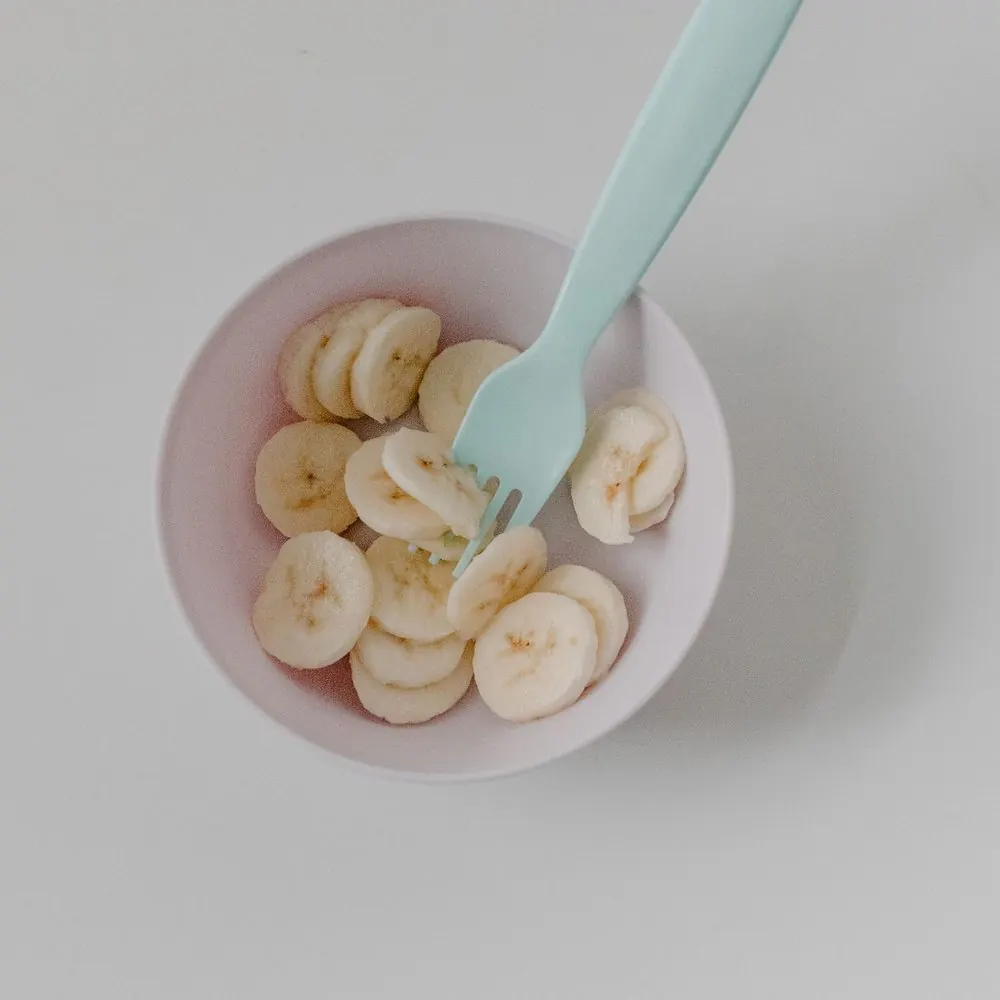
- Lumpy and mashed, as your baby gets the hang of it: thicker purees and fork-mashed foods with small soft lumps, like mashed banana, avocado or lentils.
- Soft finger foods, often around 8 to 10 months: soft pieces your baby can pick up and squash with their gums. Babies who start with finger foods begin with finger-length strips (see below).
- Chopped family foods, by around 12 months: most of what the family eats, cut into small pieces, with no added salt.
Go at your baby's pace
If your baby isn't ready for the next stage, stay where they're comfortable a little longer and try again in a few days. Practicing new textures is how they learn to chew.
Changing textures as your baby grows
Preparing food safely means adjusting how soft it is and its shape as your baby’s skills grow.
- 6 to 8 months, finger-length strips: long, thick shapes about 3 to 4 inches long that your baby can hold in a fist. Soft enough to squash easily between your thumb and finger.
- 9 to 12 months, small soft pieces: small pieces about the size of a chickpea as the pincer grasp develops. Soft and tender enough to mash with the gums.
The squish test
Before offering a solid food, press it firmly between your thumb and index finger. If it squashes easily without much force, it’s soft enough for your baby to mash with their gums.
Foods in this article
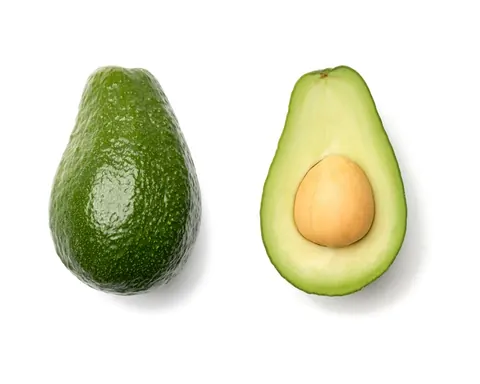 Avocado
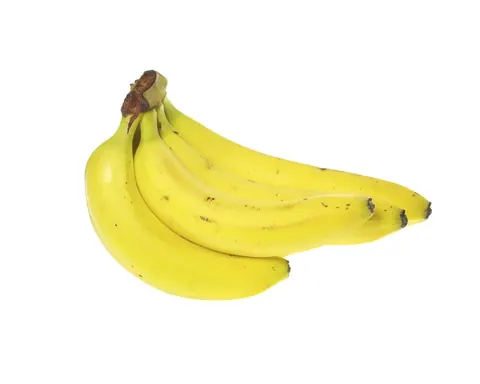 Banana
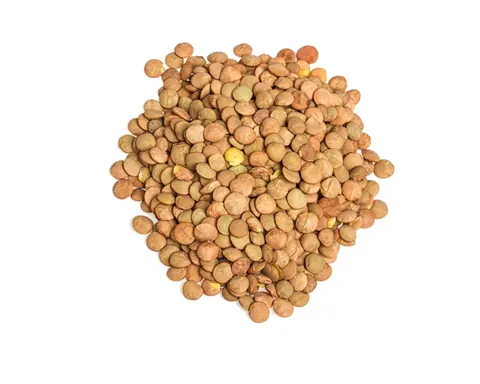 Lentils
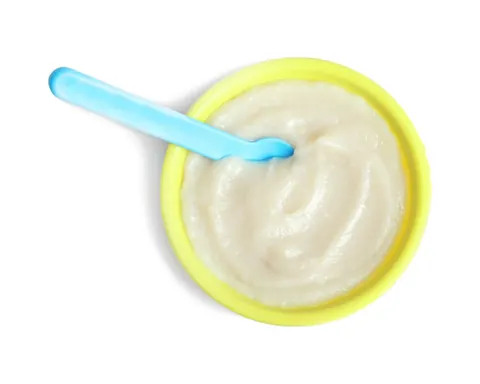 Iron-fortified infant cereal
How to serve each one at every age is in the app's food guide.
Safety and allergen reminder
Serve foods in shapes, sizes and textures that suit your baby's age and chewing skills, such as thin slices, mashed or pureed, rather than whole round pieces. When offering a common allergen, watch your baby closely for signs of a reaction, and ask your pediatrician about timing and how often to offer it.
Sources
- Tastes and Textures · CDC
- Choking Hazards · CDC
- When Can Babies Start Solid Foods? · AAP (HealthyChildren.org)
All articles, recipes, guides, tips and chat answers in Mama & Baby Bites are for general information and education only. They are not medical, pediatric or nutritional advice, and they don't replace care from a qualified professional. In an emergency, call 911.